Preloader Close

Roof maintenance plan
A roof maintenance plan is an essential part of keeping your home or commercial building in good repair. Regular maintenance can extend the life of your roof and prevent costly repairs or replacements in the future. Here is a roof maintenance plan that you can follow to keep your roof in top condition:
Inspect your roof regularly: It is important to inspect your roof at least twice a year, or after any major storms. Look for missing, damaged, or curled shingles, as well as any other signs of wear or damage. Pay particular attention to the areas around vents, chimneys, and flashing. If you are unable to safely inspect your roof on your own, hire a professional to do it for you.
If you notice significant damage to your roof or if you are unsure how to properly maintain it, it is best to hire a professional roofing contractor.
Remove leaves, twigs, and other debris from your roof regularly. These can trap moisture and cause damage to your roof. You can use a roof rake or a leaf blower to remove leaves and other debris from your roof.
Overhanging trees and branches can damage your roof, especially during wind and storms. Trim back any trees or branches that are close to your roof to prevent damage.
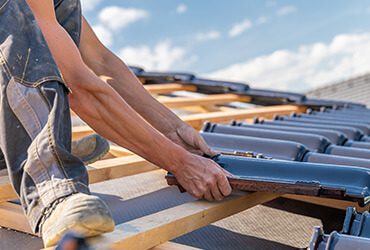
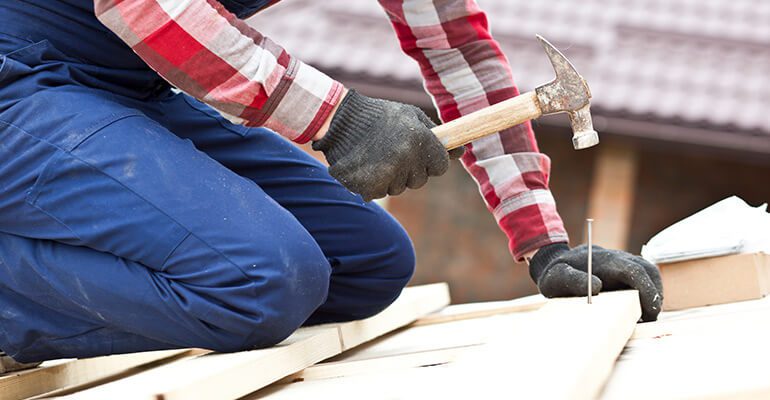
If you notice any damage to your roof, it is important to repair it as soon as possible to prevent further damage. This may involve replacing damaged shingles, repairing flashing, or sealing any gaps or cracks.
Proper attic ventilation is important for the health of your roof. It helps to prevent moisture build-up and reduces the risk of ice dams in the winter. Make sure your attic has proper ventilation to keep your roof in good condition.
Roof plan & Insulation
Roof planning and insulation are important considerations when building or renovating a home. The right roof and insulation can help to protect your home from the elements, reduce energy costs, and improve the overall comfort of your home. Here are eight key points to consider when it comes to roof planning and insulation:
The design of your roof will depend on the style of your home and the climate you live in. Factors to consider include the slope and pitch of the roof, the type of materials to be used, and the location of the roof in relation to the sun.
It’s important to understand the warranty options available for your roof and insulation. Some manufacturers offer long-term warranties for their products.
There are many different types of roofing materials available, including asphalt shingles, metal, wood, clay or concrete tiles, and rubber. Each material has its own unique benefits and drawbacks, so it’s important to consider the specific needs of your home when selecting a material.
Proper insulation is essential for a healthy and energy-efficient home. Insulation helps to keep your home warm in the winter and cool in the summer, reducing energy costs and improving comfort. There are several different types of insulation available, including fiberglass, cellulose, and spray foam, each with its own unique properties.
Adequate ventilation is also important for a healthy and energy-efficient home. Proper ventilation helps to regulate the temperature and moisture levels in your attic, preventing issues such as mold, rot, and ice dams. There are several different types of ventilation systems available, including static vents, wind turbines, and ridge vents.
Choosing energy-efficient roofing and insulation materials can help to reduce your energy costs and lower your carbon footprint. Options such as metal roofing and solar panels can help to improve the energy efficiency of your home.