Preloader Close
Durable Roofing Solutions importance
Durable roofing solutions are an important consideration for any building owner or homeowner. A well designed and installed roof is essential for protecting the structure of the building and its occupants from the elements. In addition, a durable roof can also help to reduce energy costs, improve the overall value of the property, and save money in the long run by reducing the need for costly repairs or replacements.
There are several factors to consider when selecting a durable roofing solution. One important factor is the material used for the roof. Some materials, such as metal and slate, are known for their durability and can last for decades with proper maintenance. Other materials, such as asphalt shingles and rubber roofing, can also be durable options, depending on the specific product and installation method.
Poorly installed roofs are more likely to experience issues such as leaks, structural damage, and premature deterioration.
In addition to the material used, the design and installation of the roof are also critical to its durability. A poorly designed or installed roof is more likely to experience issues such as leaks, structural damage, or premature deterioration. Working with an experienced and reputable roofing contractor can help to ensure that your roof is designed and installed correctly, maximizing its durability and performance.
At Roofplan, we are dedicated to providing durable roofing solutions to our customers. We use only the highest quality materials and employ expert engineers to ensure that every roof we install is done so correctly and to the highest standards. We also offer a range of durable materials to choose from, including metal, slate, asphalt shingles, rubber, and more.
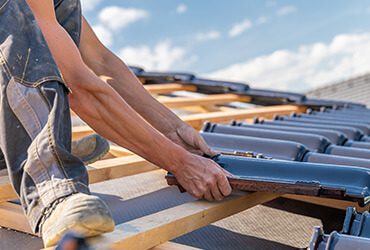
In addition to new roof installations, we also offer repair and maintenance services to help extend the life of your roof. Regular inspections and timely repairs can help to identify and address any issues before they become more serious, helping to maximize the performance and longevity of your roof.
Overall, durable roofing solutions are essential for protecting your home or business and ensuring that it is comfortable, safe, and energy efficient. At Roofplan, we are committed to delivering the best possible roofing solutions to our customers and helping them to get the most value from their investment. So, if you are in need of a new roof or looking to repair or maintain your existing roof, we encourage you to contact us for more information and to schedule a consultation with one of our expert engineers.
Roof Replacement Facts Every Property Owner Should Know
Replacing a roof is one of the most important investments you can make in your property. A strong and professionally installed roofing system protects your home or business from weather damage, improves energy efficiency, and helps maintain the long-term value of the building.
At Roofers in London, we provide professional roof replacement services across Greater London, helping homeowners and businesses upgrade ageing or damaged roofs with durable, modern roofing solutions.
When Does a Roof Need Replacing?
Not every roofing problem requires a complete replacement. In many cases, minor repairs can extend the life of the roof. However, when damage becomes widespread or the roof reaches the end of its expected lifespan, replacement is often the safer and more cost-effective solution.
Common signs that may indicate a roof replacement is needed include:
- Frequent roof leaks
- Missing, cracked, or slipped tiles
- Sagging roof areas
- Widespread storm damage
- Damaged flashing and roof valleys
- Visible wear and ageing materials
- Dampness or mould in loft spaces
- Repeated repair issues across multiple areas
Older roofs with ongoing problems often become more expensive to maintain over time.
The Difference Between Roof Repairs and Roof Replacement
Roof repairs focus on fixing isolated issues such as damaged tiles, flashing problems, or small leaks. Roof replacement involves removing the existing roofing materials and installing a completely new roofing system.
A full roof replacement may include:
- Removing old roofing materials
- Replacing underlayment and membranes
- Inspecting timber structures and decking
- Installing new tiles, slate, or flat roofing systems
- Upgrading insulation and ventilation
- Installing new flashing and drainage components
Professional roof evaluations help determine whether repairs or replacement are the better long-term option.
Roof Lifespan Facts
The lifespan of a roof depends on the materials used, weather exposure, installation quality, and maintenance standards.
Typical roof lifespans include:
- Slate roofing: 60–100+ years
- Clay tiles: 50–100 years
- Concrete tiles: 30–50 years
- EPDM flat roofing: up to 50 years
- Felt flat roofing: 15–25 years
Proper maintenance and professional installation play a major role in extending roof lifespan.
Why Professional Installation Matters
Even high-quality roofing materials can fail if installed incorrectly. Poor workmanship often leads to leaks, drainage problems, ventilation issues, and premature roof failure.
At Roofers in London, we ensure every roofing replacement project is completed using trusted materials, correct installation methods, and professional detailing to maximise long-term durability.
Our team specialises in:
- Durable pitched roofing
- Advanced flat roofing systems
- Roof repairs and maintenance
- Velux window installation
- Bespoke rooflights
- Aluminium cladding
Important Things to Consider Before Roof Replacement
Before replacing a roof, several important factors should be considered:
Property Type
London properties vary greatly in design, from Victorian terraces to modern extensions and commercial buildings. Roofing materials should match the structure and surrounding properties where possible.
Ventilation and Insulation
Modern roof replacements often include insulation upgrades and improved ventilation to increase energy efficiency and reduce condensation risks.
Access and Scaffolding
Roof replacement projects in London frequently require scaffolding and careful site management, especially on terraced streets and busy urban areas.
Material Selection
Choosing the right roofing material depends on durability, appearance, budget, and planning considerations.
Flat Roof Replacement Facts
Flat roofing systems also require replacement when membranes begin to fail or drainage problems become severe. Modern flat roofing systems such as EPDM, GRP fibreglass, and single-ply membranes provide significantly improved durability compared to older felt roofs.
Flat roof replacement may involve:
- Correcting drainage falls
- Replacing damaged decking
- Installing upgraded insulation
- Improving waterproof detailing
- Adding rooflights or roof windows
Benefits of a New Roof
A professionally installed new roof provides several long-term benefits:
- Improved weather protection
- Better energy efficiency
- Reduced maintenance costs
- Increased property value
- Improved appearance and kerb appeal
- Better insulation and ventilation
- Greater peace of mind during severe weather
Reliable Roof Replacement Services in London
At Roofers in London, we provide reliable roof replacement services for residential and commercial properties throughout Greater London. Our experienced roofing specialists deliver high-quality workmanship, honest advice, and durable roofing solutions tailored to your property.
Whether you require pitched roofing replacement, flat roofing installation, roof repairs, Velux window installation, or aluminium cladding services, our team is here to help.
Contact Roofers in London today for expert roofing advice and a free no-obligation quote.
Balancing ventilation
Balancing ventilation is the process of ensuring that your home has the right amount of ventilation to maintain optimal conditions in the attic. Proper ventilation helps to regulate the temperature and moisture levels in your attic, preventing issues such as mold, rot, and ice dams. Here are eight key points to consider when it comes to balancing ventilation in your home.
Balancing ventilation is important for the health and efficiency of your home. Without proper ventilation, the temperature and moisture levels in your attic can become too high or too low, leading to a range of issues.
Types of ventilation: There are several different types of ventilation systems available, including static vents, wind turbines, and ridge vents. Static vents are passive ventilation systems that rely on the natural flow of air to ventilate the attic. Wind turbines are active ventilation systems that rely on the wind to turn a fan and ventilate the attic. Ridge vents are installed along the ridge of a roof and allow for the natural flow of air through the attic.
Proper maintenance is important for the longevity and effectiveness of your ventilation system. This may involve cleaning the vents regularly and checking for any damage or issues.
It’s important to choose the right size and number of ventilation systems for your home. Factors to consider include the size of your attic, the type of ventilation system being used, and the climate you live in.
Balancing the intake and exhaust of your ventilation system is important for optimal attic conditions. Intake vents, such as soffit vents, allow air to enter the attic, while exhaust vents, such as static vents or wind turbines, allow air to escape. Ensuring that the intake and exhaust vents are properly balanced can help to regulate the temperature and moisture levels in your attic.
Location: The location of your ventilation system can also impact its effectiveness. Ventilation systems should be placed in areas that allow for effective airflow, such as along the eaves or gables of the roof.
Ventilation systems are typically made from durable materials such as metal or plastic. Metal vents are known for their longevity and resistance to extreme weather, while plastic vents may be more affordable but may not be as durable.